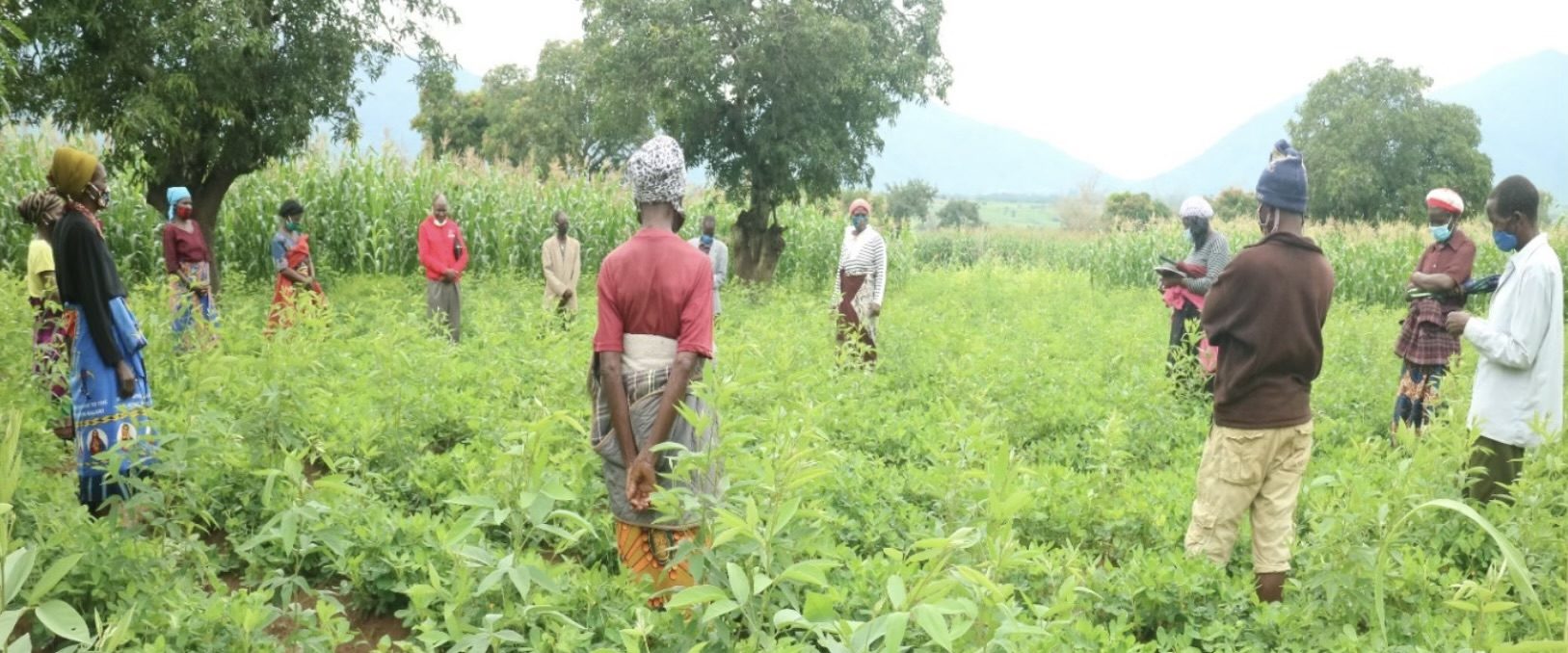
Farmer Leadership
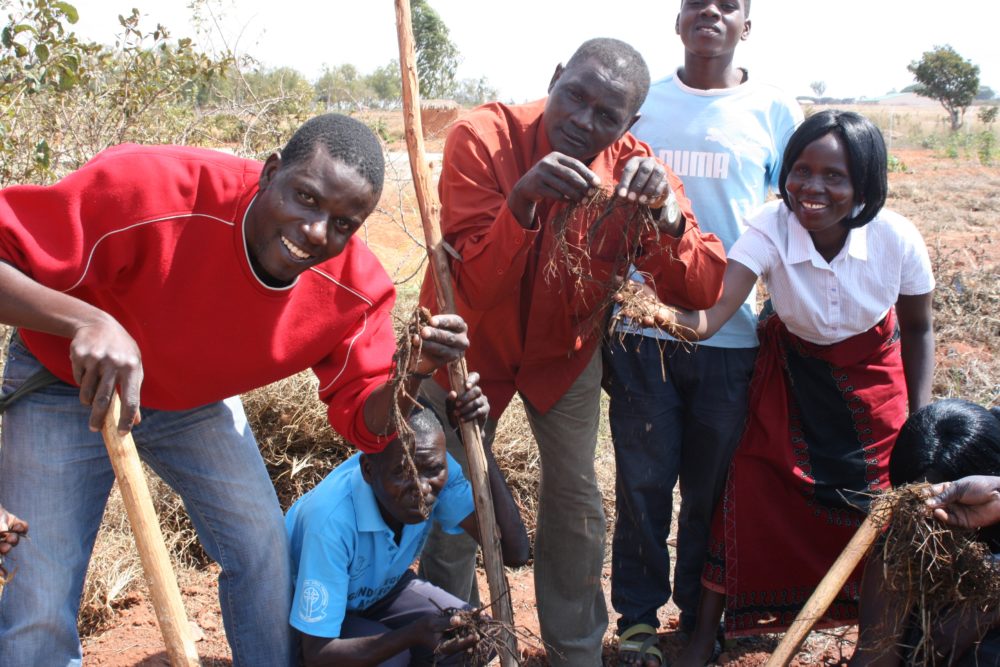 SFHC is a farmer-led non-profit organization. Farmers are staff, hold leadership positions, run workshops, conduct experiments, and make decisions that influence SFHC’s projects, research, and the direction of the organization as a whole.
Community promoters, who are SFHC staff, are farmers themselves. They are responsible for SFHC’s presence in each village area. Promoters coordinate trainings, meetings, and activities for their respective areas, facilitating communication between SFHC and individual farmers. This work is vital in order for us to represent the best interests of the farmers we work with, and also helps us coordinate high quality quantitative and qualitative data collection.
Our work relies heavily on the involvement of a Farmer Research Team (FRT). The FRT is a volunteer organization that conducts research and shares knowledge on behalf of and with the community. Village leaders tell their communities about the project, and the community votes in one man and one woman as FRT representatives. The FRT is based on the participatory model, in which small farmer groups carry out research for the broader community. FRT members have a critical role to play; they are involved in farmer training, seed distribution, data collection and awareness raising. They are also expected to provide informal support to SFHC participants in agricultural and nutritional issues related to legume production. FRT has proved to be effective at involving farmers in the agricultural research process. They also participate in annual General Assembly meetings with SFHC to give input into SFHC activities and research in the community.
The project began with 30 Farmer Research Members in seven pilot villages, but due to the increase in farmer participants and the expansion to over 209 villages, there are now 418 members in the FRT. Villagers voted to select FRT members based on leadership ability and willingness to volunteer time to help others, as well as their on general interest in the project objectives. The FRT is composed of a variety of different social groups (e.g. widows, divorced women, highly food insecure and well-off farmers). More than 50% of FRT members are women.
Pingback: X-post from IATP: Contribution to Africa Regional Meeting on Agroecology | AgroEcoPeople